
From Mentorship to Sponsorship: Expanding the Leadership Conversation in the Nordic
By Samreen Mansor-Lefebvre, Head of Career and Personal Development at ProWoc
A recent Nordic white paper, From Talent to Power, highlights an important reality many women in leadership already know: career progression is not only about performance. It is also about access: to networks, visibility, strategic opportunities, and the people who advocate for you when you are not in the room.
The report identifies mentorship and sponsorship as important drivers of leadership progression for women across the Nordic life sciences sector.
This distinction matters.
Because mentorship and sponsorship are not the same.
A mentor advises you – A sponsor advocates for you.
A mentor helps you navigate – A sponsor helps create opportunities.
Mentorship supports growth – Sponsorship supports advancement.
And while mentorship programmes have become increasingly common across organisations and professional networks, sponsorship often remains informal, relationship-driven, and harder to access – particularly for professionals navigating leadership systems from outside established local networks.
For women with international backgrounds, minority professionals, and women building careers in Nordic environments without longstanding professional networks, this can create an additional layer of complexity.
Not because capability is lacking.
But because sponsorship often depends on visibility, familiarity, trust, and proximity to decision-making spaces.
This is also why mentorship remains so important.
At ProWoc, we continue to see the value of mentorship in helping women build confidence, navigate systems, expand networks, and develop leadership readiness.
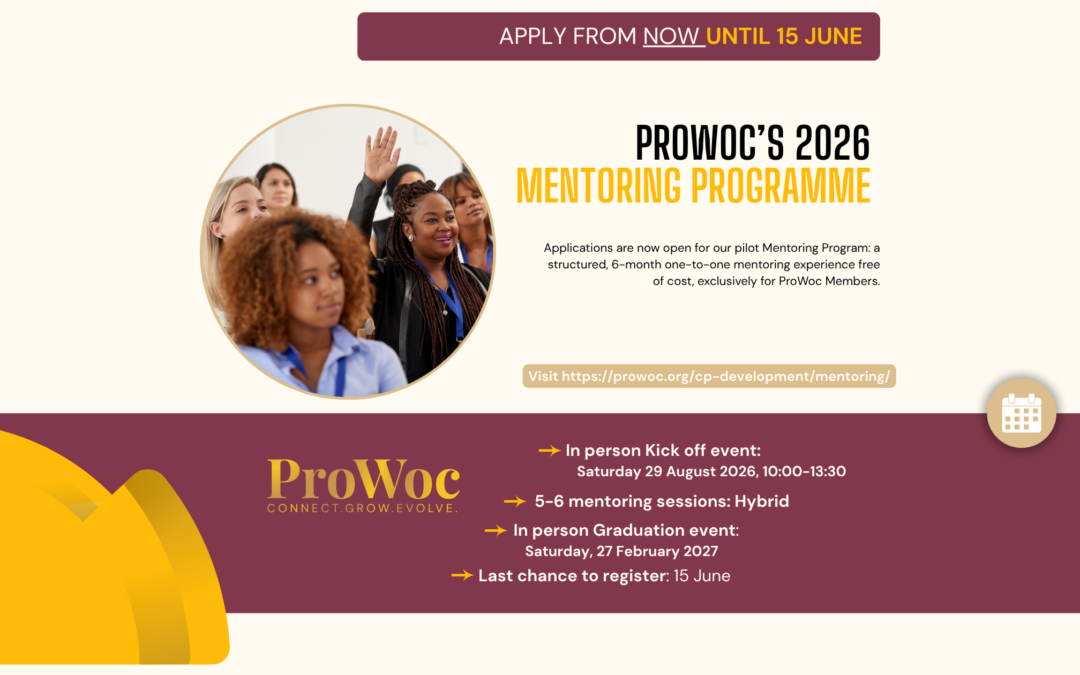
As we prepare to launch our new mentoring cohort this August, we are reminded of how important these spaces are for professional development and community building.
But mentorship alone is not enough.
The next leadership conversation in the Nordics must also include sponsorship.
Who gets recommended for strategic opportunities?
Who gets invited into influential conversations?
Who gets actively advocated for in succession planning and leadership pipelines?
These questions matter because research consistently shows that sponsorship plays a critical role in career progression and leadership advancement.
While gender and leadership barriers are increasingly documented across Nordic industries, less attention has been given to how international background, minority status, and access to informal networks may shape sponsorship opportunities differently.
This is not about creating division. It is about broadening the conversation.
The Nordic leadership model is rightly recognised for its commitment to equality, collaboration, and progressive workplace values. The opportunity now is to continue evolving those conversations by looking not only at representation, but also at access, progression, and sponsorship.
For organisations serious about inclusive leadership, this may mean:
- looking beyond hiring numbers and examining progression pathways
- creating more intentional sponsorship structures
- widening access to leadership networks and strategic visibility
- ensuring leadership potential is recognised across different professional and cultural backgrounds
Mentorship opens doors – Sponsorship helps people walk through them.
Both matter.
And both will be essential if we want leadership across the Nordics to fully reflect the diversity of talent already present within our organisations and professional communities.
References
Women in Life Science Denmark (WiLD), WiLD Norway, and VILDA Sweden. From Talent to Power: Mapping the Barriers and Pathways to Women’s Leadership in Nordic Life Sciences (2026)
McKinsey & Company & LeanIn.Org (2024). Women in the Workplace
World Economic Forum (2024). Global Gender Gap Report